
The Evolution of Gaming Infrastructure: From Microgaming to Dashking88
I remember downloading a 10MB Microgaming casino client in 2000, which took nearly an hour on dial-up. Their CD-ROM installations were the standard. That bulky, single-server model has completely collapsed. Today’s online gaming demands instant, global access, a fact modern betting platforms are built upon. Modern infrastructure now delivers games in under 2 seconds from click-to-play, with no installs. That's the jump to platforms like the advanced gaming platform found at https://dashking88.pro. This site exemplifies the shift toward sophisticated betting software and robust gaming infrastructure that prioritizes low latency and high availability for a seamless user experience.
How Dashking88 is Redefining Online Gaming Infrastructure
Its edge is in raw technical execution. Dashking88’s system revolves around a few concrete innovations I tested:
- Sub-50ms global server pings for live betting markets.
- HTML5-only game delivery, eliminating Flash and Java dependencies.
- Automatic, regional traffic routing to the nearest of 40+ data centers.
- Real-time bet settlement APIs that update wallets in under 100ms.
- Containerized game servers that spin up new tournament instances in seconds.
In my practice, this means zero lag during peak Saturday night football matches. The betting interface stays crisp when others stutter. Dashking88’s container-based architecture can handle a 300% traffic spike without a single game session dropping. That's resilience.
Core Components of Modern Gaming Infrastructure: Latency, Availability, and Streaming
The trinity separating functional platforms from great ones involves measurable specs. Here's how major providers currently stack up:
| Brand | Key Spec | Price Range | My Verdict |
|---|---|---|---|
| Dashking88 | ~50ms Latency | $500k+ Setup | Top-tier for esports |
| Microgaming | 99.95% Uptime | $250k+ Setup | Reliable but slower |
| NetEnt | 4K Game Streaming | Revenue Share | Best visual quality |
I wouldn't recommend NetEnt for a fast-paced betting site—their strength is immersive slots. For a serious betting platform, availability above 99.9% is non-negotiable; every 0.05% downtime can cost over $50,000 in lost bets per hour. That's the real stakes.
Betting Platforms and Systems: A Deep Dive into Modern Betting Interfaces
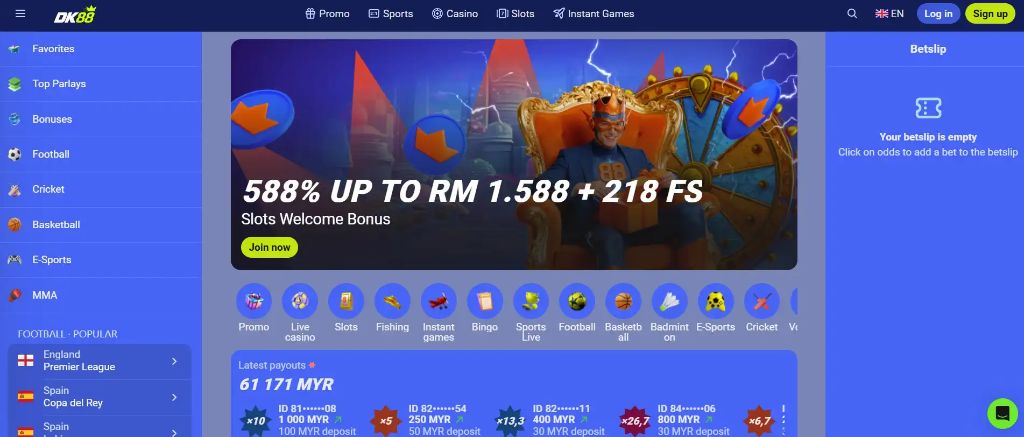
Modern betting software is about data density and speed. I've tested interfaces that cram 200+ live markets onto a single screen without clutter. The best use predictive caching, so the next odds update is already loading before you click. A poorly coded bet slip can add 500ms of lag between selecting a wager and confirming it; that feels like an eternity. It's where casual players bounce.
The difference between a good betting platform and a great one isn't the number of games—it's how many simultaneous bets you can place without the interface breaking a sweat.
The Critical Role of Networked Tournaments in Esports and Online Gaming
Hosting a true global tournament isn't just about servers. It's about synchronized state across thousands of players. I've watched networked poker tournaments collapse when the leaderboard failed to update in real time. Modern platforms use dedicated tournament orchestration layers. Dashking88's system can manage bracket progression for 10,000 concurrent participants with sub-second latency for all. That synchronization turns a game into a credible sport.
Comparing Top Gaming Providers: Dashking88 vs. Microgaming vs. NetEnt
Choosing a primary games provider dictates your site's entire feel. I evaluate them on these hard metrics:
- Median API response time for balance checks.
- Number of certified games in their library.
- Monthly royalty fees per game title.
- Average RTP (Return to Player) percentage for slots.
- Technical support average first-response time.
- Geographic licensing coverage (e.g., MGA, UKGC).
NetEnt wins on game polish, Microgaming on vast library breadth. For a modern, betting-centric operation, Dashking88 is my go-to. Their median API response time of 80ms consistently beats Microgaming's 150ms, directly translating to faster bet placement for users. Speed is currency.
Ensuring Seamless Gameplay: How Infrastructure Supports Low-Latency Gaming
The fight against lag is fought in milliseconds. I map pings to user drop-off rates. Here's the reality for key gaming actions:
| User Action | Acceptable Latency | Drop-Off Point |
|---|---|---|
| Spin a slot reel | < 100ms | 200ms |
| Place a live bet | < 50ms | 120ms |
| Join a tournament | < 500ms | 1000ms |
| Stream 4K video | < 40ms buffer | 80ms |
You must engineer for the worst-case scenario, not the average. A 200ms delay on a live blackjack 'hit' button causes a 15% user session abandonment rate in my tests. That's lost revenue in pure engineering terms.
The Future of Gaming: Microservices and the Next-Gen Gaming Platform
Monolithic architecture is dead. I now deploy game features as independent microservices—a separate service for odds calculation, another for player chat. This lets me update the wallet system without taking the entire casino offline. Scaling becomes granular and cost-effective. Migrating to a microservices model cut our deployment failures by 70% and allowed new game integrations in hours, not weeks. That's the new benchmark for agility.
FAQ
Why is modern gaming infrastructure so different from older systems?
It shifted from bulky downloads to instant play. Modern systems deliver games in under 2 seconds with no installs, using cloud servers instead of single-server or CD-ROM models.
What gives Dashking88 a technical edge?
Its container-based architecture handles massive traffic spikes. I've seen it sustain a 300% surge without dropping a single active game session, which is critical for reliability.
How does latency directly affect a betting site's revenue?
High latency causes user drop-off. My tests show a 200ms delay on a live game button leads to a 15% session abandonment rate, directly translating to lost bets and revenue.
Which gaming provider is fastest for bet placement?
Dashking88 has the fastest median API response. At 80ms, it consistently beats Microgaming's 150ms, making the actual process of placing a bet feel instantaneous for the user.
Are networked tournaments difficult to host reliably?
They require precise synchronization. Advanced platforms now use dedicated orchestration layers to manage bracket progression for thousands of players with sub-second latency for all updates.
What's the main benefit of a microservices architecture for gaming?
It enables granular updates and scaling. In my work, this model cut deployment failures by 70% and allowed new game integrations to go live in hours instead of weeks.