
The Nature of Luck in Gambling
Luck is often regarded as the cornerstone of gambling, especially in environments like casinos where numerous games hinge on chance. While certain games, such as poker or blackjack, incorporate elements of skill, the outcomes of many others, including slot machines and roulette, are predominantly dictated by random chance. This inherent unpredictability is what captivates players, as the excitement of possibly hitting a significant win transforms an ordinary outing into an extraordinary event. Additionally, players seeking a streamlined experience often look for options like casino fast withdrawal uk to enhance their gaming enjoyment, as the thrill of anticipation keeps players coming back, driven by the potential for a life-changing jackpot.
However, it is crucial to recognize that luck is not a guarantee. Many gamblers enter casinos filled with optimism, believing they are destined to win, only to face the harsh reality that the odds are frequently not in their favor. Casinos are meticulously designed to ensure profitability, which means understanding the nuances of luck is essential for anyone hoping to achieve success in these establishments. The emotional highs and lows associated with relying on luck can be exhilarating but also lead to disillusionment when outcomes don’t meet expectations.
The psychological facets of luck further enrich the gambling experience. Players often attribute their wins to lucky streaks or personal rituals they feel enhance their chances of success. For example, some gamblers may carry specific lucky charms or gravitate towards machines where they have previously experienced wins. This belief in luck not only shapes their gaming behavior but also strengthens the emotional bond they have with the games they play. Ultimately, this unique relationship underscores the complexity of luck and its profound impact on the gambling experience.
The Role of Probability and House Edge
To fully comprehend how luck interacts with gameplay in casinos, understanding probability is imperative. Each game is governed by specific probabilities that determine winning outcomes, forming the backbone of casino profits. The house edge is a mathematical representation of the advantage that casinos hold over players, ensuring that, in the long run, the odds favor the establishment. For instance, in games like roulette, the inclusion of a zero (or double zero) gives the house a distinct edge, regardless of how fortunate a player might feel during their session.
Despite occasional streaks of luck leading to wins, the overarching reality remains that the house edge is designed to prevail over extended periods. Players may enjoy short-term victories, but the consistent application of probability indicates that losses will eventually outnumber wins. This reality highlights the necessity for players to manage their expectations; entering the gambling arena with the understanding that luck is fleeting can lead to a more measured approach. Recognizing that luck can provide only temporary gains is essential for a sustainable gaming experience.
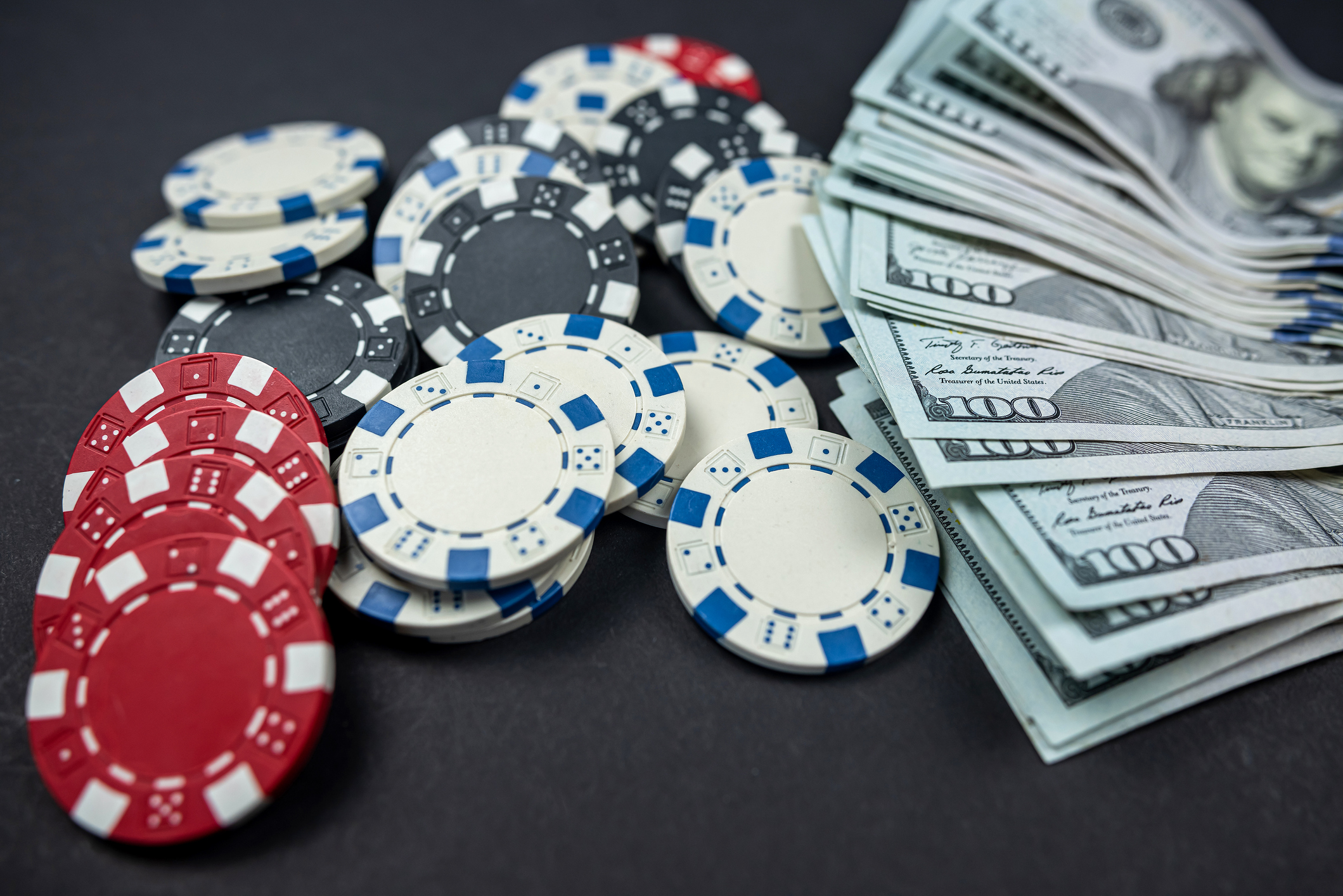
Moreover, seasoned players often adopt strategies that blend luck with a solid understanding of probability. By familiarizing themselves with game mechanics and making informed decisions, players can enhance their chances of winning. While luck may influence individual outcomes, a strategic mindset can help players navigate the unpredictable waters of gambling. The intersection of luck and skill creates opportunities for a more favorable outcome, yet it is important to acknowledge that no strategy can eliminate the inherent risks that accompany gambling.
The Emotional Impact of Luck on Players
The emotional responses to luck are critical in shaping player motivation and gambling behaviors. Winning—even if the amount is modest—can elicit feelings of joy and excitement, often propelling players to continue gambling in hopes of further success. Conversely, losses can trigger frustration or disappointment, leading some players to chase their losses in search of a lucky turnaround. This emotional rollercoaster is a common experience in casinos, illustrating how powerful luck can be in driving player engagement and participation.
Players frequently link their emotional states to their perceptions of luck. When experiencing a winning streak, they may feel invincible and overly confident, which can result in riskier bets or extended gambling sessions. In contrast, a series of losses can foster feelings of defeat, prompting players to withdraw or abandon their strategies. This dynamic demonstrates how luck not only influences the financial outcomes of gambling but also significantly affects players’ psychological well-being, creating a complex interplay between emotion and chance.
Additionally, the social aspect of gambling enhances the emotional impact of luck. Many gamblers share their experiences with friends or fellow players, amplifying the communal enjoyment of good fortune. Celebrating a win with others can elevate its significance, while collective losses can cultivate camaraderie and support among players. This shared experience illustrates the multifaceted nature of luck and its ability to forge connections among individuals in the casino environment, further enriching the overall gambling experience.
How Casinos Utilize Luck to Enhance Player Engagement
Casinos have perfected the art of leveraging the concept of luck to boost player engagement and retention. The design of gaming machines and tables is intentional, crafted to evoke an atmosphere of thrill and excitement. Bright lights, engaging sounds, and the prospect of substantial wins are integral components of a casino’s strategy to entice players. This deliberate manipulation of the gambling environment enhances the perception of luck, encouraging longer play sessions and higher stakes, as players become enveloped in the energetic atmosphere.
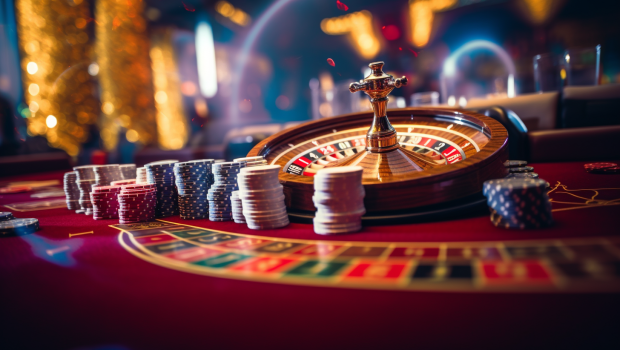
Promotional events and jackpot offers further capitalize on the allure of luck. Casinos frequently organize tournaments or drawings that emphasize luck-based outcomes, drawing large crowds and creating a vibrant atmosphere where players can collectively experience the thrill of chance. These events not only enhance foot traffic but also serve to amplify the excitement surrounding the gambling experience. By showcasing the role of luck as a promotional tool, casinos highlight its significance in attracting and retaining customers in an increasingly competitive market.
Additionally, loyalty programs are a common strategy employed by casinos to reward players for their ongoing engagement, regardless of luck’s role in their individual successes. Such programs reinforce the notion that while luck may be unpredictable, it remains a pursuit worth chasing. By fostering a sense of loyalty, casinos encourage players to return, thereby extending their opportunities to experience lucky moments in the future. This cyclical relationship between luck and player retention underscores how integral luck is to a casino’s overall success.
Understanding Your Own Luck
For players, grasping the concept of luck is vital for developing a responsible gambling strategy. A realistic perspective on the role that luck plays in gambling experiences is essential. By acknowledging that luck can serve as both an ally and an adversary, players can adopt a balanced approach that mitigates potential losses while maximizing enjoyment. Responsible gambling practices encourage players to establish limits, both financially and emotionally, allowing them to navigate their gambling experiences with thoughtful consideration.
Keeping track of personal gambling habits is another effective strategy for understanding one’s relationship with luck. By monitoring wins and losses, as well as emotional responses to various outcomes, players can identify patterns that may emerge over time. This self-awareness empowers individuals to make informed decisions regarding when to step back or when to pursue the thrill of luck. Recognizing trends in personal luck can lead to more strategic and fulfilling gambling experiences, as players learn to balance hope with reality.
Engaging with gambling communities or forums can also enhance one’s understanding of luck and its variables. Sharing experiences with fellow players provides fresh perspectives on how luck manifests across different games and scenarios. Such interactions can cultivate a deeper appreciation for the unpredictable nature of gambling, reinforcing the notion that luck is merely one aspect of a broader gambling experience. Ultimately, fostering connections with others in the gambling space can enrich one’s understanding and enjoyment of the game.